Holding institutions accountable for systemic neglect and the protection of vulnerable children in Westchester County.
The JCCA Edenwald Center is a residential treatment facility located at 1075 Broadway in Pleasantville, New York, within Westchester County. Operated by the nonprofit JCCA (formerly known as the Jewish Child Care Association), the center serves a highly specific and vulnerable population: boys and girls aged 7 to 17 who are dually diagnosed with emotional disturbances and developmental disabilities, including autism and low IQ. The facility’s stated mission is to provide family-centered, trauma-informed care and specialized education services for children in crisis, offering a therapeutic environment for those who require more intensive support than traditional support care can provide.
Despite its stated purpose, the Edenwald Center has faced significant regulatory scrutiny. The facility is part of the larger JCCA Pleasantville campus, which also includes the Pleasantville Cottage School. Over the years, reports from organizations like ProPublica have highlighted systemic issues and “kids in crisis” at this campus, raising serious questions about the safety and oversight provided by the NYC Administration for Children’s Services (ACS) and the JCCA itself. With a capacity to house dozens of residents, the facility’s licensing and operational history are now under intense legal review following allegations of long-term abuse. Our attorneys also represent victims at St. Gabriel’s Hall.
Allegations of child sexual abuse at the JCCA Edenwald Center are deeply disturbing, involving adult staff members who were entrusted with the care of minors who often could not advocate for themselves. Survivors claim they were subjected to brutal sexual abuse and systemic neglect while confined at the residential treatment facility. These lawsuits emphasize that counselors, supervisors, and teachers—all of whom are mandatory reporters under New York law—failed to protect children from foreseeable danger. Instead, a pattern of sexual, physical, and emotional abuse was allegedly allowed to persist for decades due to institutional negligence.
The vulnerability of the residents played a central role in the persistence of this abuse. Many of the children involved suffered from developmental disabilities, making them particularly susceptible to exploitation by those in positions of authority. The complaints describe an environment where chronic understaffing and a lack of proper supervision created a “breeding ground” for predators. Survivors have come forward to describe how the very people meant to provide therapeutic support instead used their power to commit heinous acts of violence.

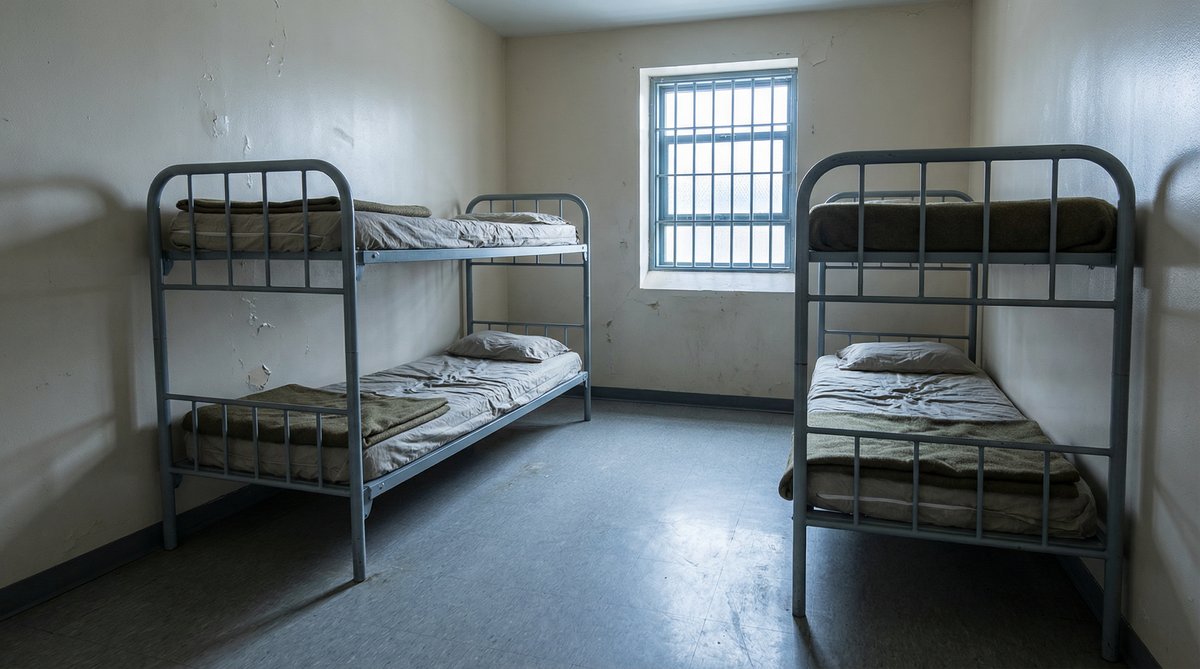
Recent reports, including a detailed investigation by ProPublica, have shed light on the ongoing crisis at the Pleasantville campus. The reports indicate that the systemic failures at JCCA Edenwald and the neighboring Pleasantville Cottage School have left children exposed to violence and exploitation as recently as 2023, leading to urgent calls from advocates and lawmakers for the facility’s closure. Similar cases have been documented involving victims at Hillside Children’s Center.
The victims of the alleged abuse at JCCA Edenwald Center were some of the most vulnerable children in the state of New York. Boys and girls aged 7 to 17 were placed at the facility by the NYC Administration for Children’s Services (ACS), often because they required specialized care that could not be met elsewhere. These children were dually diagnosed with emotional disturbances and developmental disabilities, including autism spectrum disorders and low IQ scores. They were residents seeking therapeutic and educational support, yet they found themselves in an environment where their vulnerability was exploited.
The institutional setting of Edenwald enabled this abuse through isolation and a power imbalance between the staff and the residents. Many of these children had already experienced prior trauma before being placed at the center, and their disabilities often made it difficult for them to report the abuse or be believed when they did. The facility’s failure to provide a safe, supervised environment meant that these children were left defenseless against the very adults responsible for their daily care and supportive services.
In July 2025, seven survivors took a significant step toward justice by filing civil lawsuits in Manhattan Supreme Court. These legal actions name the JCCA and the City of New York’s Administration for Children’s Services (ACS) as defendants. The lawsuits allege institutional negligence, failure to supervise, and vicarious liability for the actions of staff members. Many of these claims have been made possible by New York’s Child Victims Act (CVA), which provided a vital lookback window for survivors of childhood sexual abuse to file claims that were previously barred by the statute of limitations. Related institutional abuse cases include those involving survivors at Casa Pacifica.
The litigation seeks to hold these powerful institutions accountable for failing to maintain a safe environment. While individual perpetrators committed the acts, the lawsuits argue that the JCCA and ACS are legally responsible for the systemic failures that allowed the abuse to occur and continue. Survivors are seeking damages for the lifelong impact of the trauma they endured while under the city’s and the JCCA’s care.
Liability in institutional sexual abuse cases extends far beyond the individual perpetrator. While the residential counselors, teachers, and supervisors who committed the abuse are directly responsible, the institutions that employed them and the agencies that oversaw them also face significant legal liability. This includes the JCCA as the facility operator and its parent organization, as well as the NYC Administration for Children’s Services (ACS), which was responsible for the placement and safety of these children.
Under the legal concept of vicarious liability, an employer can be held responsible for the actions of its employees performed within the scope of their employment. Claims of negligent supervision and negligent hiring argue that the JCCA failed to properly vet staff or monitor their interactions with vulnerable residents. Government oversight agencies can also be held liable for failing to act on known risks or for maintaining a system where abuse was foreseeable but not prevented. Survivors may also want to review related claims involving victims at Devereux.
If you or a loved one were a resident, student, or patient at the JCCA Edenwald Center or the Pleasantville Cottage School, you may have grounds for a legal claim. The current investigations and lawsuits cover a broad timeframe, with some allegations dating back to the 1960s and 1970s, and others focusing on more recent incidents occurring as lately as 2023. Eligibility is generally based on having experienced sexual abuse, physical assault, or severe neglect by a staff member or other adult while under the facility’s care.
Even if the abuse happened decades ago, New York’s survivor-centric laws may still allow you to pursue justice. It is critical to speak with an experienced attorney to determine if your case falls within the current legal windows for filing.
Survivors of abuse at JCCA Edenwald may carry the effects of that harm for years or decades after leaving the facility. A successful lawsuit can provide the financial resources necessary to access specialized care and find a path toward healing. Recoverable damages in these claims may include: Phillips Law Group handles a broad range of youth group home abuse attorneys across the country.
New York’s legal landscape for abuse survivors was significantly expanded by the Child Victims Act (CVA) and the Adult Survivors Act (ASA). Currently, survivors of childhood sexual abuse at private residential treatment centers born after February 14, 1998, have until age 55 to file civil lawsuits. For those abused at government-operated facilities, the deadline applies to those born after November 15, 1999, also extending until age 55. While the specific one-year “lookback windows” for older cases have closed, ongoing litigation continues for those who filed during those periods, and new avenues for “failure to protect” claims may still exist under general negligence laws.
It is important to understand that these deadlines are complex and vary based on the type of facility and the date of the abuse. Survivors of abuse at JCCA Edenwald should not assume it is too late — New York’s Child Victims Act has reopened claims that were previously time-barred. Speaking with a legal professional is the only way to confirm the specific deadlines that apply to your unique situation.

The high rate of abuse in institutional settings is often linked to a lack of transparency and oversight. When facilities like JCCA Edenwald operate without adequate supervision, the most vulnerable members of society are left at the mercy of their caregivers, often with devastating results. If you or a loved one has been harmed, our legal team is available to discuss your JCCA Edenwald case options.
Several key laws provide the framework for survivors seeking justice in New York. The New York Child Victims Act (CVA) is the primary legal mechanism, as it extended the statute of limitations and created lookback windows for survivors. The Adult Survivors Act (ASA) provided a similar window for those who were over 18 at the time of the abuse.
New York Social Services Law mandates that all residential facility staff act as mandatory reporters. Failure to report suspected abuse is a violation of the law and can serve as a basis for institutional liability. These statutes ensure that survivors have the right to pursue civil damages against both the individual perpetrators and the negligent institutions that failed to protect them.
Our experienced attorneys offer a free, 100% confidential consultation to help you understand your legal options.
Call (602) 222-2222
Free & Confidential — No Fees Unless We Win


 Available 24/7