Compassionate Legal Representation for Institutional Abuse Victims in Pennsylvania
St. Gabriel’s Hall, originally established in 1898 as the Philadelphia Protectory for Boys, was a prominent residential juvenile treatment facility located in Audubon, Pennsylvania. Operated by the Archdiocese of Philadelphia and the Christian Brothers, the institution was designed to provide a structured, rehabilitative environment for male youth aged 13 to 18. For over a century, the facility served troubled youth, many of whom were referred through the juvenile justice system, until its closure in recent years following declining demand and mounting legal challenges.
The facility was licensed to provide specialized services to young men struggling with drug and alcohol issues or behavioral challenges. Its stated mission was to promote the well-being and rehabilitation of its residents. However, recent investigations and lawsuits have pulled back the curtain on a facility that allegedly failed its most basic duty: keeping the children in its care safe from harm. The institution’s regulatory history is now being scrutinized as survivors come forward to share their experiences of a “corrosive environment” that persisted for decades. Our attorneys also represent cases involving Holley Child Care.
Former residents of St. Gabriel’s Hall have come forward with harrowing allegations of rampant sexual, physical, and emotional abuse spanning several decades. Survivors describe a corrosive environment where staff members, including guards and counselors, allegedly used their positions of power to sexually exploit and violate minors in their care. These allegations are not isolated incidents but suggest a systemic culture of exploitation that was allowed to flourish under the watch of the Archdiocese of Philadelphia.
In addition to sexual assault, the facility is accused of using excessive physical force and unnecessary restraints that resulted in injuries requiring hospitalization. The allegations further claim that supervisors and administrators were aware of the systemic abuse but failed to intervene, report the incidents, or safeguard the children. This culture of silence allowed the abuse to continue unchecked, leaving victims trapped in a toxic atmosphere of exploitation. Many of these claims echo the findings of the 2011 Philadelphia Grand Jury report, which highlighted historical instances of clergy and institutional abuse within Archdiocesan facilities.
Specific types of abuse reported include rape, molestation, and unwanted sexual contact by staff. Lawsuits implicate a wide range of personnel including correctional officers, counselors, teachers, and medical staff. These individuals allegedly misused their authority to prey on vulnerable youth, often with the complicity of supervisors who failed to report the crimes. In some historical contexts, specific members of the Christian Brothers and other religious staff have been identified in broader investigations into clergy and institutional abuse within the Archdiocese. Related institutional abuse cases include those involving abuse at Hillside Children’s Center.

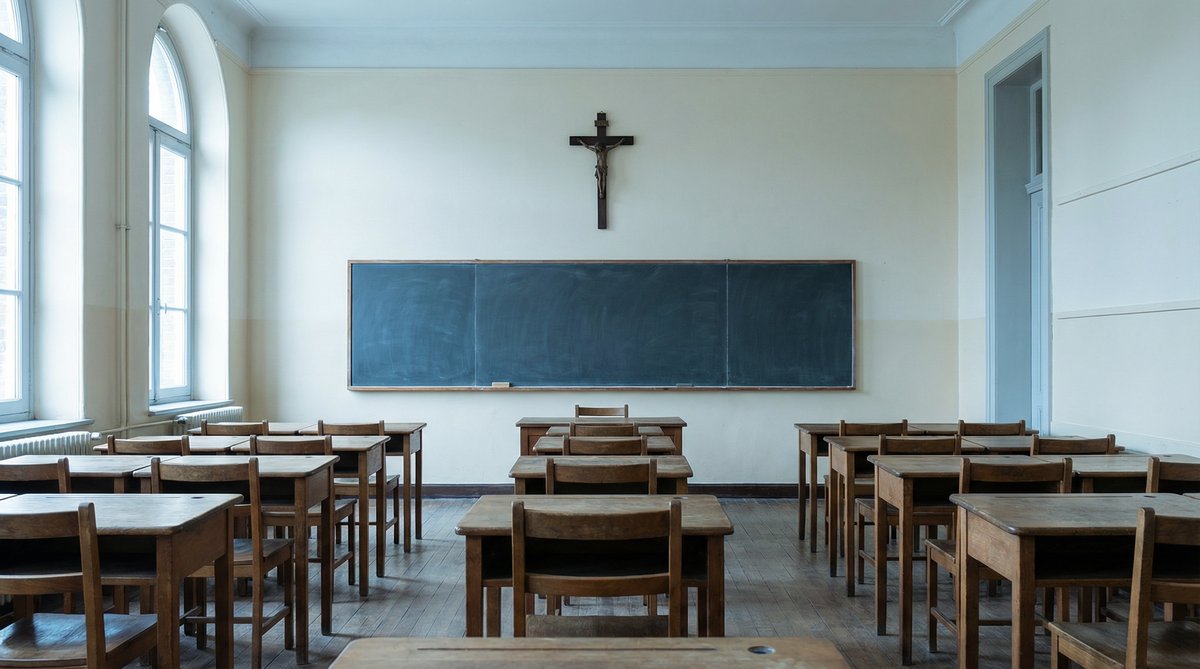
The victims were primarily male youth between the ages of 13 and 18 who had been placed at St. Gabriel’s Hall for rehabilitation or through the juvenile justice system. Many of these young men came from vulnerable backgrounds, including those struggling with drug and alcohol issues or previous behavioral challenges. The institutional setting itself created a power imbalance that predators exploited, knowing that these youth often lacked the support systems or credibility to be heard if they reported the abuse.
The circumstances of their placement often meant they were isolated from their families and entirely dependent on the facility staff for their basic needs and safety. This vulnerability was compounded by the institution’s failure to implement proper oversight. The abuse they suffered has led to lifelong impacts, including severe depression, anxiety, post-traumatic stress disorder (PTSD), and significant difficulties in forming healthy adult relationships. Many survivors have carried the weight of these experiences for decades before finding the strength to seek justice.
A series of significant civil lawsuits have been filed against St. Gabriel’s Hall and the Archdiocese of Philadelphia. In June 2024, a major filing was made on behalf of twelve survivors, alleging institutional negligence, failure to protect minors, and the intentional covering up of staff misconduct. By late 2024, the scope of litigation expanded significantly, with over 200 lawsuits filed against various Pennsylvania juvenile centers, including St. Gabriel’s, as survivors organized to hold these institutions accountable. Survivors may also want to review related claims involving cases involving Youth Consultation Services.
While many individual claims are still pending in the Pennsylvania court system, the litigation aims to hold the facility accountable for decades of systemic exploitation. The lawsuits seek financial compensation for survivors to cover lifelong mental health expenses, lost income, and emotional anguish. Recent outcomes in similar cases provide hope for survivors seeking justice:
These outcomes demonstrate the potential for multi-million dollar recoveries for survivors of Pennsylvania juvenile facility abuse.
Legal actions are also focusing on the “culture of silence” that allowed abuse to persist. Documentation from Reuters and other news organizations has highlighted how institutions like the Archdiocese of Philadelphia historically silenced victims to protect their reputation.
At St. Gabriel’s Hall, the Archdiocese of Philadelphia and the De La Salle Brothers may share legal responsibility for the decades of abuse that occurred. While the staff members who committed the acts—including correctional officers, counselors, teachers, and medical staff—are directly responsible, the institutions that employed them can also be held liable under several legal theories: Similar cases have been documented involving abuse at Hawthorne Cedar Knolls.
In the case of St. Gabriel’s Hall, potential defendants include the facility operators, the Archdiocese of Philadelphia, the Christian Brothers, and potentially government oversight agencies that failed to provide adequate regulation and monitoring.

Potential plaintiffs include any individual who was a resident at St. Gabriel’s Hall in Audubon, Pennsylvania, and experienced sexual or physical abuse during their stay. Eligibility extends to those victimized by staff members, including guards, counselors, nurses, or administrators, as well as those who suffered due to the facility’s failure to prevent peer-on-peer abuse. Under current Pennsylvania statutes, survivors born after November 1989 generally meet the age requirements to file a claim. Even if the specific abuser is deceased or was never criminally charged, survivors may still be eligible to file a civil lawsuit against the institution.
Active lawsuits and investigations cover abuse occurring over several decades, with a specific focus on cases from the 1970s through the early 2000s. Recent legal filings in 2024 and 2025 highlight a “rampant, systemic culture of abuse” that persisted at the facility for at least the last twenty years. Many current plaintiffs allege they were victimized while residing at the facility between 1990 and 2015. For more information about related cases, visit our page on Catholic-affiliated residential school abuse claims we handle nationwide.
A civil lawsuit can provide survivors of institutional abuse with meaningful financial recovery. Recoverable damages may include medical expenses, psychological treatment costs, lost income, and awards for emotional distress.
Under current Pennsylvania law, survivors of childhood sexual abuse have until the age of 55 to file a civil lawsuit, provided they were born after November 26, 1989. For those born before this date, the statute of limitations may have expired unless a specific “lookback window” is enacted. However, survivors should not assume it is too late to seek justice.
As of late 2025, Pennsylvania lawmakers have advanced House Bill 462, which seeks to create a two-year revival window for all survivors to file claims regardless of when the abuse occurred. This legislative effort follows years of advocacy by groups like RAINN and the National Center for Missing & Exploited Children (NCMEC). Because these laws are constantly evolving, it is critical to consult with an experienced attorney to determine your eligibility. Our experienced sexual abuse attorneys practice has recovered millions for survivors of institutional abuse.
These statistics underscore the widespread nature of the crisis and the urgent need for institutional oversight and survivor support. Organizations like RAINN provide extensive data on the prevalence and impact of child sexual abuse, highlighting the importance of legal action in preventing future victimization.
Survivors seeking justice in Pennsylvania are governed by several key laws and legal protections:
For more information on survivor rights and legislative updates, you can visit the Pennsylvania General Assembly website.

[1] Philadelphia Inquirer: Grand jury report: Archdiocese’s policies on sex abuse
[2] WHYY: 10 Pa. juvenile detention centers sued for institutionalized abuse
[3] Associated Press: By the dozen, accusers tell of rampant sexual abuse at Pennsylvania juvenile detention facilities
[4] Reuters: Pennsylvania report details decades of sexual abuse by priests
[5] Pennsylvania General Assembly: House Bill 462
There is no fee to speak with our legal team, and your privacy is our priority. Every conversation is protected and held in the strictest confidence.


 Available 24/7