Compassionate Legal Advocacy for Victims of Institutional Abuse in Rochester, New York
Villa of Hope, originally established in 1942 as St. Joseph’s Villa, is a non-profit organization located at 3300 Dewey Avenue in Rochester, New York. For decades, the facility was historically affiliated with the Catholic Diocese of Rochester. It began its operations as an orphanage dedicated to caring for children who were awaiting support care placement. Over its long history, the institution evolved from a traditional orphanage into a thorough residential treatment center and community service provider.
The stated mission of Villa of Hope has centered on supporting youth and families who are struggling with significant life challenges, including trauma, addiction, and mental health issues. With a capacity to serve numerous residents through its various programs, the facility has been a major fixture in the Rochester community. However, its long-standing history is also marked by regulatory scrutiny and a troubling legacy of allegations involving the very individuals it was tasked to protect. Our attorneys also represent survivors at Graham Windham.
The history of Villa of Hope, particularly during its years as St. Joseph’s Villa, is marred by horrific allegations of sexual and physical assaults that span several decades. Survivors have come forward with chilling accounts of their time at the facility, describing an environment where grooming and violence were prevalent. Reports include detailed descriptions of fondling, forced oral sex, and numerous instances of sodomization perpetrated by staff members who held positions of absolute trust and authority over vulnerable children.
One of the most graphic and disturbing cases involved a victim who alleged being tied up and sodomized with a baseball bat by an employee within the facility’s recreation program. These accounts suggest a systemic failure in oversight, as some victims have claimed that other staff members, including religious figures such as nuns, were aware of the ongoing abuse but failed to intervene. Instead of protecting the children, these individuals allegedly returned them to the custody of their known abusers, allowing the cycle of violence to continue unabated for years.
These allegations have been supported by investigations into the Diocese of Rochester and its affiliated institutions. The depth of the trauma reported by survivors highlights the long-term psychological impact of institutional betrayal, often leading to lifelong struggles with mental health and addiction.


The victims of abuse at Villa of Hope were primarily orphaned, abandoned, or otherwise highly vulnerable children and teenagers who had been placed in the care of the Diocese of Rochester. Many survivors report that the abuse began when they were as young as 7 or 8 years old. These children often lacked family support systems or external advocates who could listen to their stories or report the crimes to authorities, making them easy targets for predators. Similar cases have been documented involving abuse at Casa Pacifica.
The institutional setting itself enabled the abuse, as the power imbalance between the staff and the residents was absolute. Vulnerability factors such as pre-existing trauma, lack of stable housing, and the need for emotional connection were exploited by abusers through grooming techniques. As a result of the systemic failures at Villa of Hope, many of these survivors have endured decades of psychological trauma, often manifesting as severe mental health challenges and substance abuse issues in adulthood.
In recent years, numerous civil lawsuits have been filed against Villa of Hope and the Diocese of Rochester, many facilitated by the New York Child Victims Act. These legal actions were a primary driver behind the Diocese of Rochester’s decision to file for bankruptcy in September 2019. The sheer volume of claims—exceeding 475 within the Diocese alone—underscored the widespread nature of the institutional failures.
These significant financial recoveries are intended to provide survivors with the resources needed for long-term care and to hold the responsible institutions accountable for their failure to protect the children in their charge. Survivors are encouraged to review court records and news coverage regarding these landmark cases to understand the potential for justice in their own claims.
Liability in institutional sexual abuse cases often extends beyond the individual perpetrator to the organizations that enabled the abuse. At Villa of Hope, several parties may be held legally responsible for the harm suffered by residents: Our firm has extensive experience with youth group home abuse attorneys and similar institutional failures.
Legal concepts such as vicarious liability (where an employer is responsible for the actions of its employees) and negligent supervision (where an institution fails to properly vet or monitor its staff) are central to these claims. By pursuing these legal avenues, survivors can hold the entire system accountable for its failures.
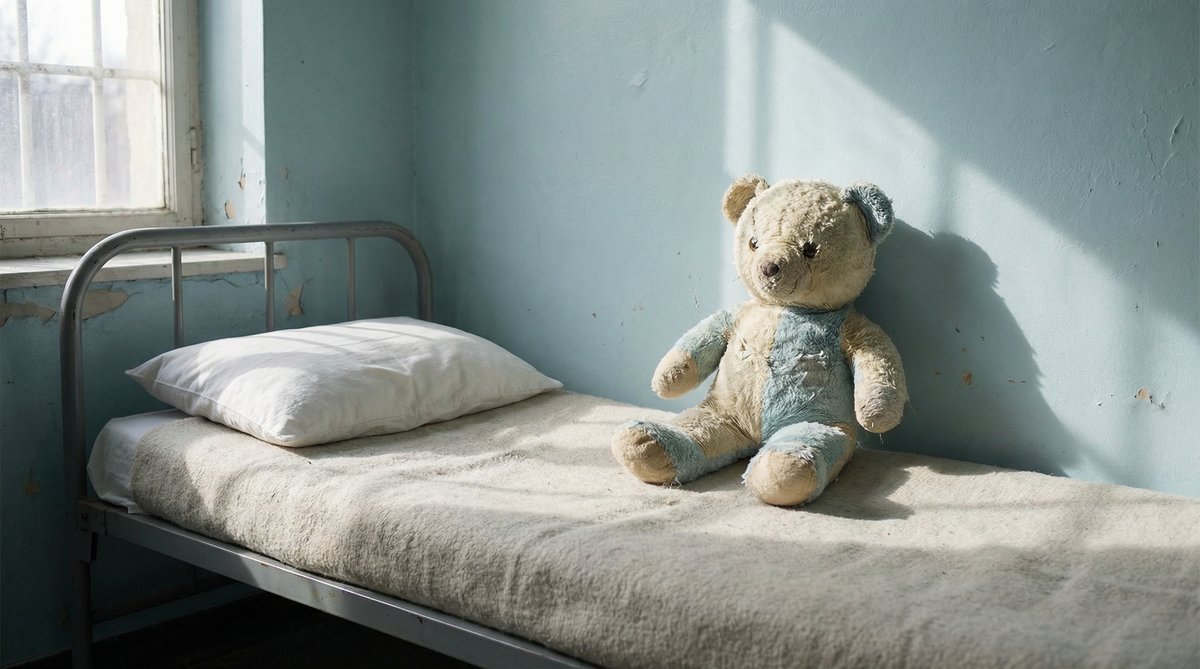
If you were a resident, patient, or student at Villa of Hope (or St. Joseph’s Villa) and suffered abuse, you may have a valid legal claim. Active investigations and lawsuits currently cover abuse occurring from the 1970s through the early 2000s. You may be eligible to file a claim even if the perpetrator is now deceased or was never criminally charged.
Those harmed while in the care of an institution may be eligible to seek damages through a civil lawsuit. These damages are intended to provide resources for healing and to hold negligent parties accountable.
In New York, the legal deadlines for filing a sexual abuse lawsuit have undergone significant changes. Under the New York Child Victims Act (CVA), the statute of limitations for childhood sexual abuse was extended, allowing many survivors to file civil lawsuits until they reach the age of 55. While the initial two-year “revival window” for older claims closed in August 2021, the permanent extension to age 55 remains a vital path for many survivors born after February 1998. If you or a loved one has been harmed, our legal team is prepared to discuss your Villa of Hope case in a free, confidential consultation.
The Adult Survivors Act (ASA) previously provided a one-year window for abuse that occurred when the victim was an adult, which expired in late 2023. However, other negligence-based claims may still be viable depending on the specific circumstances. It is crucial to understand that deadlines vary significantly based on the date of the incident and the age of the survivor. Survivors should not assume it is too late to seek justice; consulting with an experienced attorney is the best way to determine your current legal options in 2026.
In New York State alone, over 11,000 lawsuits were filed during the initial look-back window provided by the Child Victims Act. Within the Diocese of Rochester, more than 475 sexual abuse claims have been submitted, many of which involve institutional settings like Villa of Hope. Research indicates that children in residential treatment facilities are significantly more vulnerable; studies suggest that 30% to 50% of youth in such care have pre-existing histories of maltreatment that abusers may exploit. These figures highlight a systemic failure in oversight across many private and religious-run youth institutions during the late 20th century.
Institutional abuse is often chronically underreported due to the fear, shame, and the immense power held by the institutions involved. Organizations like RAINN and the National Center for Missing & Exploited Children (NCMEC) provide critical data and support for survivors handling these complex issues.

Several key pieces of legislation protect the rights of survivors in New York and provide the legal framework for holding institutions accountable:
For more information on these laws, survivors can visit the New York State Senate website or consult with advocacy organizations dedicated to institutional reform.
Our initial consultations are always free of charge and fully confidential. We are committed to treating every survivor with dignity and providing honest answers to your questions.


 Available 24/7