Recent studies have raised serious concerns about the toxicity of diquat, a herbicide used in Roundup and other weedkillers. If you or a loved one has been exposed to this chemical, you may be at risk of organ damage and other health complications. Understanding the dangers of diquat is crucial, especially since it has been used to replace glyphosate in Roundup, a very popular, although controversial, product used for many agricultural purposes.

Diquat is a herbicide commonly found in agricultural and commercial weedkillers, including some formulations of Roundup. “Diquat is a fast-acting herbicide that works by disrupting cell membranes and interfering with photosynthesis. It is a non-selective herbicide and will kill a wide variety of plants on contact,” a 2012 fact sheet from the Wisconsin Department of Natural Resources noted.
A May 2025 study reported on in The Guardian revealed that diquat may “kill gut bacteria and damage organs in multiple ways.” The outlet revealed that data “suggests diquat is more toxic than glyphosate, and the substance is banned over its risks in the UK, EU, China, and many other countries.”
“From a human health perspective, this stuff is quite a bit nastier than glyphosate, so we’re seeing a regrettable substitution, and the ineffective regulatory structure is allowing it,” Nathan Donley, the science director for the Center for Biological Diversity, told The Guardian.
The outlet also pointed out that a recent “analysis of EPA data by the Friends of the Earth non-profit found [Diquat dibromide] is about 200 times more toxic than glyphosate in terms of chronic exposure.”
There is evidence that diquat could cause severe organ damage, including to the kidneys, liver, and nervous system. Even low-level exposure over time could possibly lead to chronic health issues.
However, it’s important to note that more research on low, long-term exposure to the herbicide is needed to determine just how dangerous diquat may be to humans.

Diquat poisoning is less common than paraquat poisoning, according to the United States Environmental Protection Agency (EPA). “However, diquat has severe toxic effects on the central nervous system that are not typical of paraquat poisoning,” information from the federal agency about paraquat and diquat available online revealed.
Some clinical signs of neurologic toxicity from diquat include “nervousness, irritability, restlessness, diminished reflexes, combativeness, disorientation, nonsensical statements, and inability to recognize friends or family members,” the EPA reported.
“Early symptoms of poisoning by ingested diquat are similar to those from paraquat, reflecting diquat’s corrosive effect on tissues. They include burning pain in the mouth, throat, chest, and abdomen; intense nausea and vomiting; and diarrhea,” the agency noted.
If you’ve developed these symptoms after using Roundup or other herbicides, you may want to speak to a personal injury or product liability claim lawyer about potential legal options.
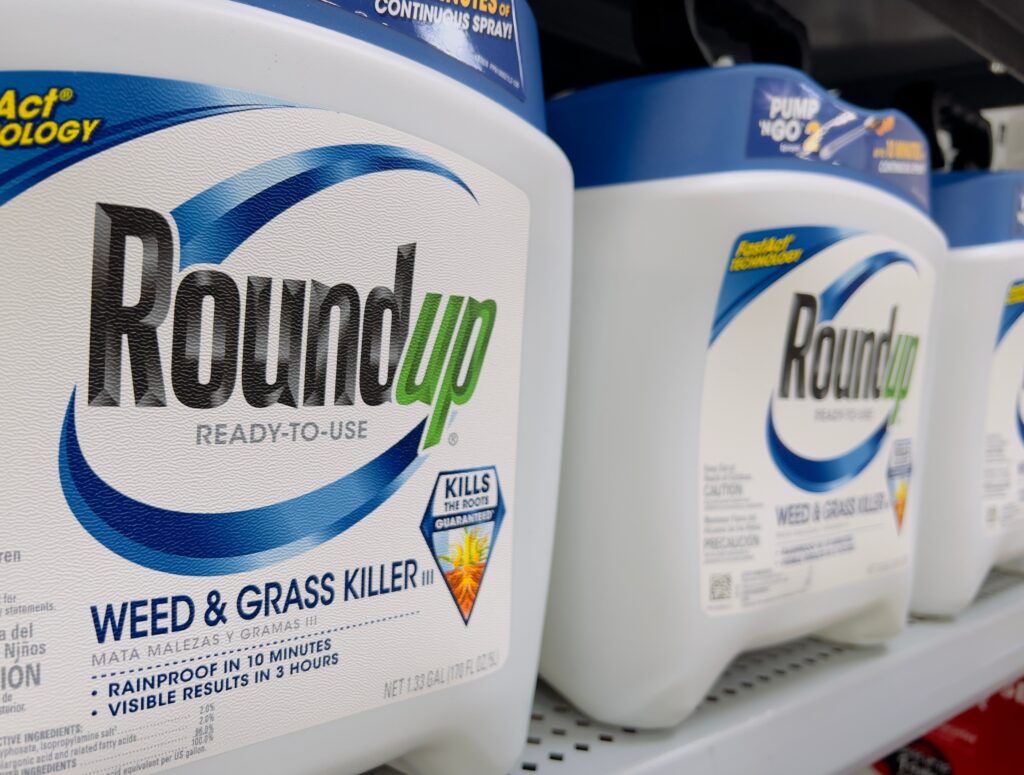
Manufacturers have a duty to warn consumers about toxic chemicals in their products. Although the United States has not banned the use of diquat like other countries have, there are known health risks of exposure to the herbicide diquat bromide.
It’s possible that companies may be aware there are more serious risks to long-term diquat exposure, and if they fail to disclose those risks, they could potentially be held liable for medical expenses, lost wages, pain and suffering, and more.
Our personal injury law firm can pursue herbicide-related lawsuits, helping victims secure compensation for dangerous chemical exposure. If you believe diquat exposure has harmed you or a loved one, please reach out to our team for a free case evaluation.
Stay informed and protect your rights – call Phillips Law Group at 602-222-2222 to discuss your situation and potential legal options today.


 Available 24/7